
CCI Tech Blog
CCI Tech has been serving the Gilroy area since 1991, providing IT Support such as technical helpdesk support, computer support, and consulting to small and medium-sized businesses.


In architecture and engineering, shortcuts often end in spectacular failure. Consider the Tacoma Narrows Bridge: first opened in 1940, engineers had shortened the deck design to save time and weight. The bridge—famously nicknamed "Galloping Gertie"—swayed violently in moderate winds until it ultimately collapsed.
Similarly, in business IT, taking quick shortcuts feels harmless at first, but it creates hidden structural vulnerabilities beneath your day-to-day operations. While cutting corners might save a few minutes today, it routinely compromises long-term security and stability.
0 Comments

Mention complex frameworks like HIPAA, PCI DSS, or data privacy laws, and most managers immediately picture mountains of dry paperwork, confusing audits, and looming fines. It feels like a web of red tape designed for Fortune 500 giants, yet dumped onto small and mid-sized offices that don't have a dedicated legal team on retainer.
When you strip away the legal jargon, IT compliance isn't about pleasing a government bureaucrat or checking boxes for fun. At its core, it's about proving that you take reasonable, standardized steps to protect the sensitive client data trusted to your care.

With the rise of generative AI infiltrating pretty much every sector of society, it’s no wonder that businesses are finding creative new ways to use it for their gain. However, you need to be especially careful when using generative AI in the workplace. Today, we want to cover three common no-no’s that your business should keep in mind as it navigates the wild landscape that is AI.

We've all been there. You're trying to quickly find that one photo from your vacation, or that important PDF for work, and you end up endlessly scrolling through a digital wasteland of screenshots, random downloads, and duplicates. Our smartphones have become extensions of ourselves, but without proper care, they can quickly turn into cluttered, inefficient tools that cause more frustration than they solve.

For business owners, your most critical assets aren’t your office or your inventory; it’s your data. Every client list, financial record, and strategic plan forms the makeup of your company. Protecting this data, due to its importance, isn't just an IT issue—it's an essential business function.
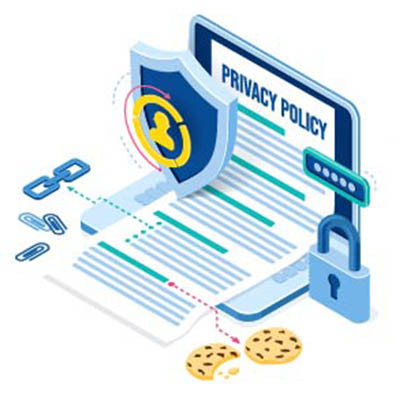
We all know companies collect a lot of data. After all, your business is no exception to this rule, and you likely collect significant consumer data to facilitate operations. But if you get the itch to protect your personal privacy (and you should), there are ways to limit how much advertisers, criminals, and other companies can gain access to. Here are just a couple of ways.
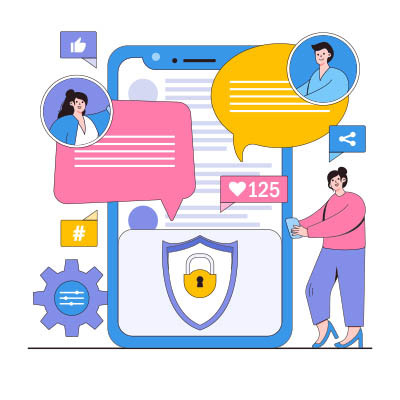
You don’t want to get spammed; nobody does. Unfortunately, it happens to EVERYONE, and it’s just getting worse. All this unwelcome correspondence happens over the phone, through email, and especially on social media. In today’s blog, we’ll talk a little bit about how social media puts users at risk and what you can do to keep that risk from becoming a problem for you.

When hackers steal data, they don't just sit on it. Sometimes they delete it, but most of the time, they sell it or use it for illegal activities. A lot of this stolen data ends up on the Dark Web, a hidden part of the Internet where people do shady things. That's why it's so important to keep an eye on the Dark Web to protect your business.
Customer Login
News & Updates
We’re thrilled to announce the launch of the revamped CCI Tech website! Designed with our clients in mind, our new online platform is sleek, modern, and packed with tools and resources to better serve your technology needs. Whether you're a long-time...
Contact Us
Learn more about what CCI Tech can do for your business.
CCI Tech
7500 Arroyo Circle Suite 110
Gilroy, California 95020
Office Hours:
Monday - Friday: 8am - 5pm
Closed: Saturday, Sunday & Holidays